

Coating process for square multi-purpose pot
Coating process for square multi-purpose pot
Square multipurpose pans are versatile and essential tools in any kitchen, capable of handling a variety of cooking tasks from frying to searing to baking. One of the key features that make these pans reliable and long-lasting is the coating on their surface.
Importance of coating:
The coating acts as an interface between the food being prepared and the pan's base material, which is typically made of materials such as stainless steel, aluminum, or cast iron. It plays a vital role in ensuring food doesn't stick, making cooking and cleaning more manageable. Additionally, a good coating can enhance the pot's durability and prevent corrosion, thereby extending its lifespan.
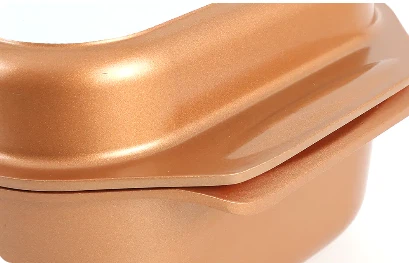
Coating process:
The coating process for square multipurpose pans involves multiple steps, each designed to create a smooth, nonstick surface that can withstand high temperatures and repeated use. The following is an overview of the coating process:
1. Surface treatment:
Before applying the coating, the surface of the pot must be thoroughly cleaned and prepared. This usually involves a combination of chemical cleaning and mechanical treatment. Chemical cleaning removes any grease, dirt or residue from the surface, while mechanical treatments such as sandblasting or abrasive brushing create a textured surface that enhances coating adhesion.
2. Application of primer:
Primer is the first layer applied to the surface of the pot. It acts as a bonding layer, ensuring that subsequent coatings adhere firmly to the pan. Primer is usually made from a mixture of resin and adhesive designed to bond well to the pot's material.
3. Coating application:
The primary coat is applied after the primer has dried or cured. The type of coating used can vary, but for square multi-purpose pots, the most common coatings are:
PTFE (Polytetrafluoroethylene): PTFE coating, also known as Teflon, is known for its excellent non-stick properties. They are applied in liquid form and then baked onto the surface of the pan at high temperatures. The baking process polymerizes the PTFE, creating a durable, smooth, and non-porous surface.
Ceramic: Ceramic coatings are often used as a replacement for PTFE. They are made from natural materials such as silica and have excellent non-stick properties. Ceramic coatings are typically applied in layers and then heat-cured to create a hard, durable surface.
Enamel: The enamel coating consists of powdered glass that is fused to the surface of the pot through a high-temperature firing process. Enamel coatings provide a smooth, non-stick surface and are known for their vibrant colors and stain resistance.
4.Multi-layer coating:
In some cases, multiple coatings can be applied to the pan. This is done to enhance the durability and non-stick properties of the pan. Each additional layer is applied, dried and cured before the next layer is added.
5. Heat curing:
After applying the coating, the pan is subjected to a heat curing process. This process involves baking the pan at high temperatures so that the coating solidifies and bonds to the surface of the pan. The precise temperature and duration of the curing process depends on the type of coating used.
6. Quality inspection:
After the coating is cured, the pans undergo rigorous quality inspections. This inspection includes visual inspection for defects, measuring coating thickness and conducting tests to ensure non-stick performance meets required standards.
Pros of a well-coated square multipurpose pot:
Non-Stick Cooking: The main benefit of a well-coated square multipurpose pan is its ability to prevent food from sticking to the surface. This makes cooking and flipping foods like pancakes, eggs, and delicate fish fillets a breeze.
Easy to clean: The non-stick surface is also easy to clean because food particles are less likely to stick to the pan. This simplifies cleanup after cooking.
Versatility: The square multi-purpose pan with a durable coating can handle a variety of cooking methods, including frying, sautéing, searing, baking, and even baking. They are a real workhorse in the kitchen.
Durability: High-quality coating enhances the pot's durability, preventing corrosion and extending its lifespan.
Even heat distribution: Some coatings can improve heat distribution on the surface of the pan, ensuring food cooks evenly.


